Conditions Bladder
Recurrent urinary tract infections
A urinary tract infection (UTI) happens when bacteria grow in the urinary tract, most often in the bladder. Recurrent UTI means repeat infections: 2 in 6 months, or 3 in a year.
- What counts as recurrent
- 2 UTIs in 6 months, or 3 in a year
- After menopause
- Vaginal estrogen cuts UTIs by about half
- Bacteria without symptoms
- Usually not treated with antibiotics
What it is
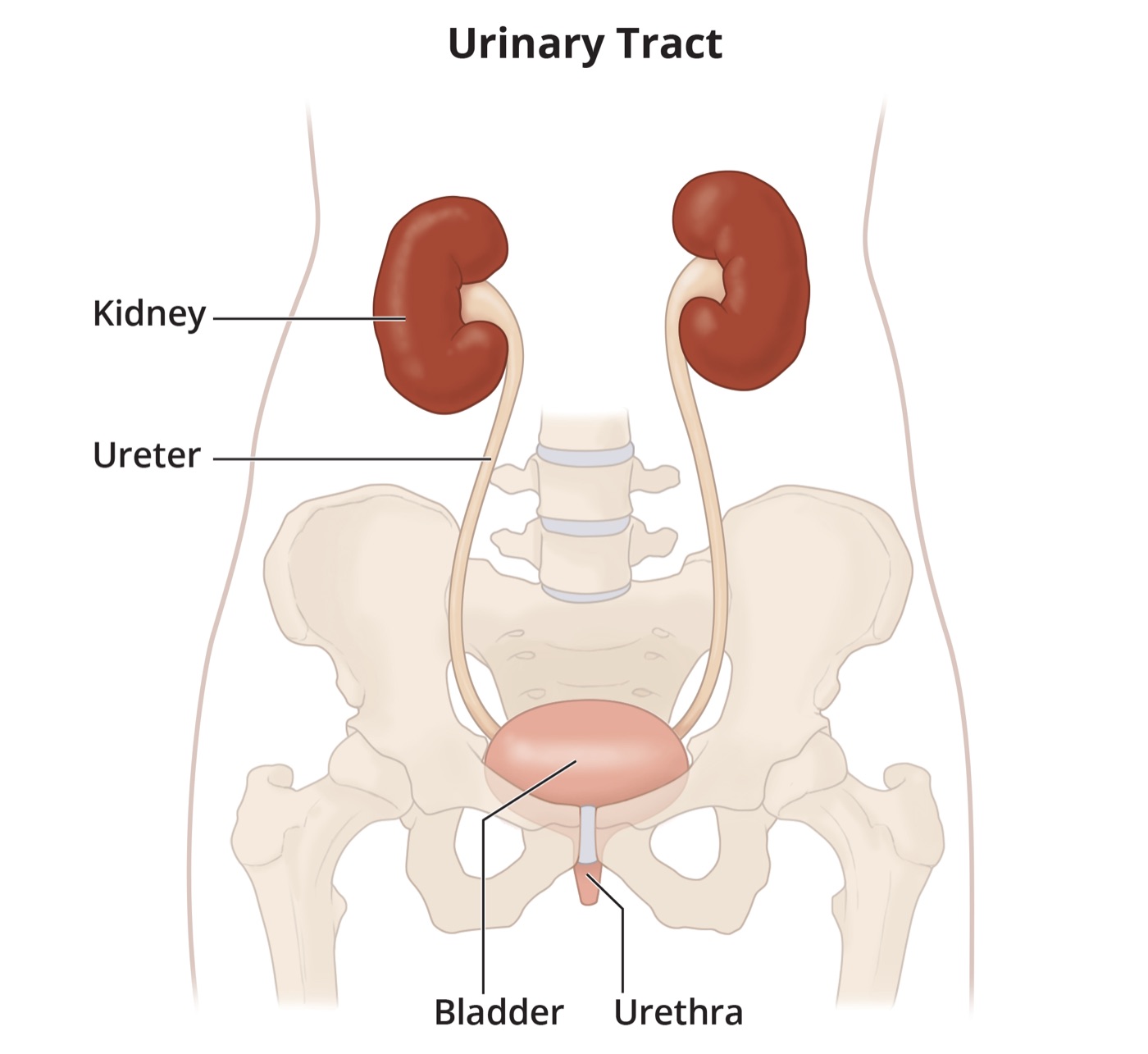
Most UTIs are bladder infections (cystitis). Less often the infection reaches a kidney (pyelonephritis), which is more serious and causes fever, chills and pain in the side or back. Most infections clear quickly with the right antibiotic, and several steps lower the chance of the next one.
Common causes
- Sex, and use of spermicide
- Menopause, because of lower estrogen
- Not fully emptying the bladder
- A bladder or vaginal bulge (prolapse)
- Catheters, stones and diabetes
Bacteria, usually from the bowel, enter through the urethra (the tube you urinate from) and grow in the bladder.
What you may notice
- Burning or stinging when you urinate
- A strong urge to go, often in small amounts
- Discomfort low in the belly
How it is diagnosed
-
Urine test with each infection
A sample, given before antibiotics if you can, is grown in the lab to pick the right antibiotic.
About urine tests -
An exam
In women, a pelvic exam looks for a bulge (prolapse) or thin, dry tissue after menopause.
-
Bladder scan
Checks how well you empty. Scans or a camera look are needed only in some cases.
Treatment choices
Each infection is treated with a short antibiotic course, and several choices lower the chance of the next one.
-
Daily habits and cranberry
More water if you drink little, no spermicide, and cranberry products.
- Best for
- Everyone with repeat infections, alone or with other choices
- Recovery
- Part of daily life, with no procedure
-
Vaginal estrogen
A low-dose cream, tablet or ring rebuilds thin tissue in the vagina and urethra.
- Best for
- Repeat UTIs around and after menopause
- Recovery
- Builds over a few weeks to about 3 months
-
Methenamine
A daily pill that acts as an antiseptic in the urine. It is not an antibiotic.
- Best for
- People who want to use fewer antibiotics
- Recovery
- Taken every day, with regular reviews
-
Preventive antibiotics
A low-dose antibiotic taken daily, or a single dose after sex.
- Best for
- Infections that keep coming back despite other steps
- Recovery
- Reviewed over time, since infections can return after stopping
What shapes the choice
- How often infections come back
- Whether they follow sex
- Menopause
- Your past urine cultures
- Your kidneys and other medicines
- What matters to you
We can go over each option in more detail at your visit.
Make an appointment
Call (215) 456-4600 to schedule, or request a visit online.
Request an appointment online