What it is
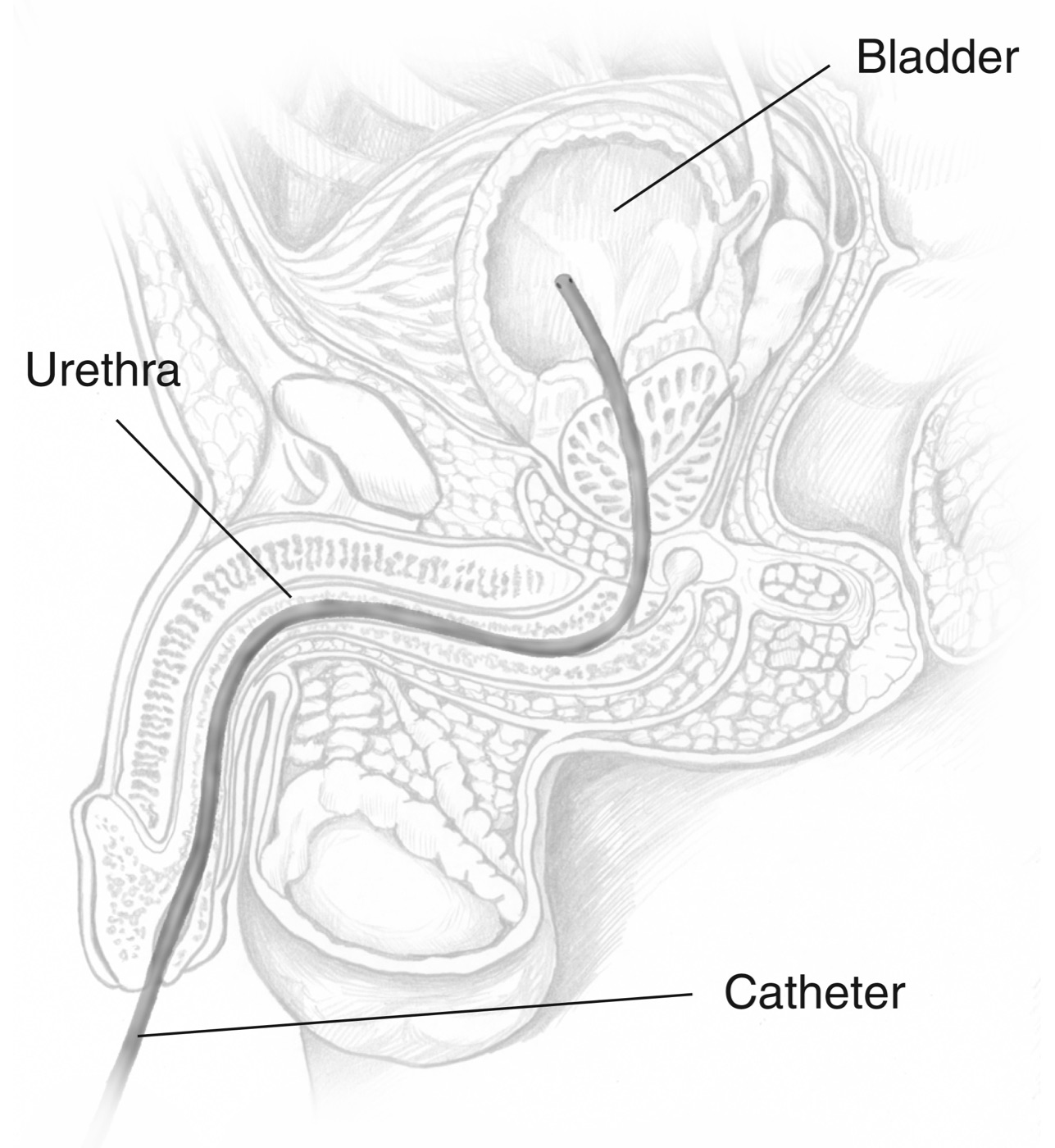
You gently pass a thin tube (catheter) into the bladder, let the urine drain, and take it out. You do this a few times a day. Once you learn it, it takes only a few minutes.
Why it is done
The bladder may not empty fully after some surgeries, with a nerve-related bladder problem, after bladder reconstruction, or because of a blockage. Urine left behind can lead to infections and leaking, and high pressure can harm the kidneys. Self-catheterization empties the bladder on a schedule.
Why not a catheter that stays in
- Guidelines prefer self-catheterization to a catheter left in (indwelling catheter) when you can do it safely.
- There is no bag, and nothing is attached between times.
- You still need regular checkups of your bladder and kidneys.
Learning it
It can feel scary at first. Most people, and caregivers, learn it quickly with a nurse’s help. A caregiver can be taught if you cannot do it yourself. A different catheter or a handling aid can help if your hands are weak.
Most people feel only mild pressure. Catheters are thin and slippery or come with gel. A little discomfort or spotting is common the first few times.
How it is done
- Wash your hands, get your supplies ready, and clean the opening as you were taught. It does not need to be sterile.
- Gently insert the catheter until urine flows, then a little farther. Never force it. Stop if you feel strong resistance, pain or new bleeding.
- Let the bladder drain fully. Pull the catheter out slowly, pausing if more urine comes.
- Throw away a single-use catheter. Clean a reusable one only if it is labeled for reuse, as taught. Wash your hands.
Tips for your body
- If you have a penis: pull back the foreskin, if you have one, and clean the tip. Hold the penis straight out from your body as you insert the catheter. When you finish, return the foreskin to its normal place.
- If you have a vulva: the urine opening sits just above the vaginal opening, below the clitoris. Sit or lie with your knees apart. A mirror and good light help at first. If no urine comes out, the catheter may be in the vagina. Take it out and try again a little higher with a new catheter.
- After urethral surgery, or with a known narrowing: never push past a catch. Repeated tries can injure the urethra.
How often
- Often 4 to 6 times a day. We set your schedule.
- Do not skip times. The aim is to keep your bladder from getting too full.
- Record how much you drain if you are asked to.
Infections
- Bacteria in the urine are common and are treated only if you have symptoms.
- About 1 in 4 people who self-catheterize get repeated infections. We can review your routine and your options.
- Coated (hydrophilic) catheters are linked to fewer infections.