Conditions Sexual health
Erectile dysfunction
Erectile dysfunction (ED) is trouble getting or keeping an erection firm enough for sex. It is very common, becomes more common with age, and can be treated.
- How common
- Very common, and more so with age
- A heart-health signal
- It can be an early sign of heart disease
- Usual first treatment
- Pills such as sildenafil or tadalafil
What it is
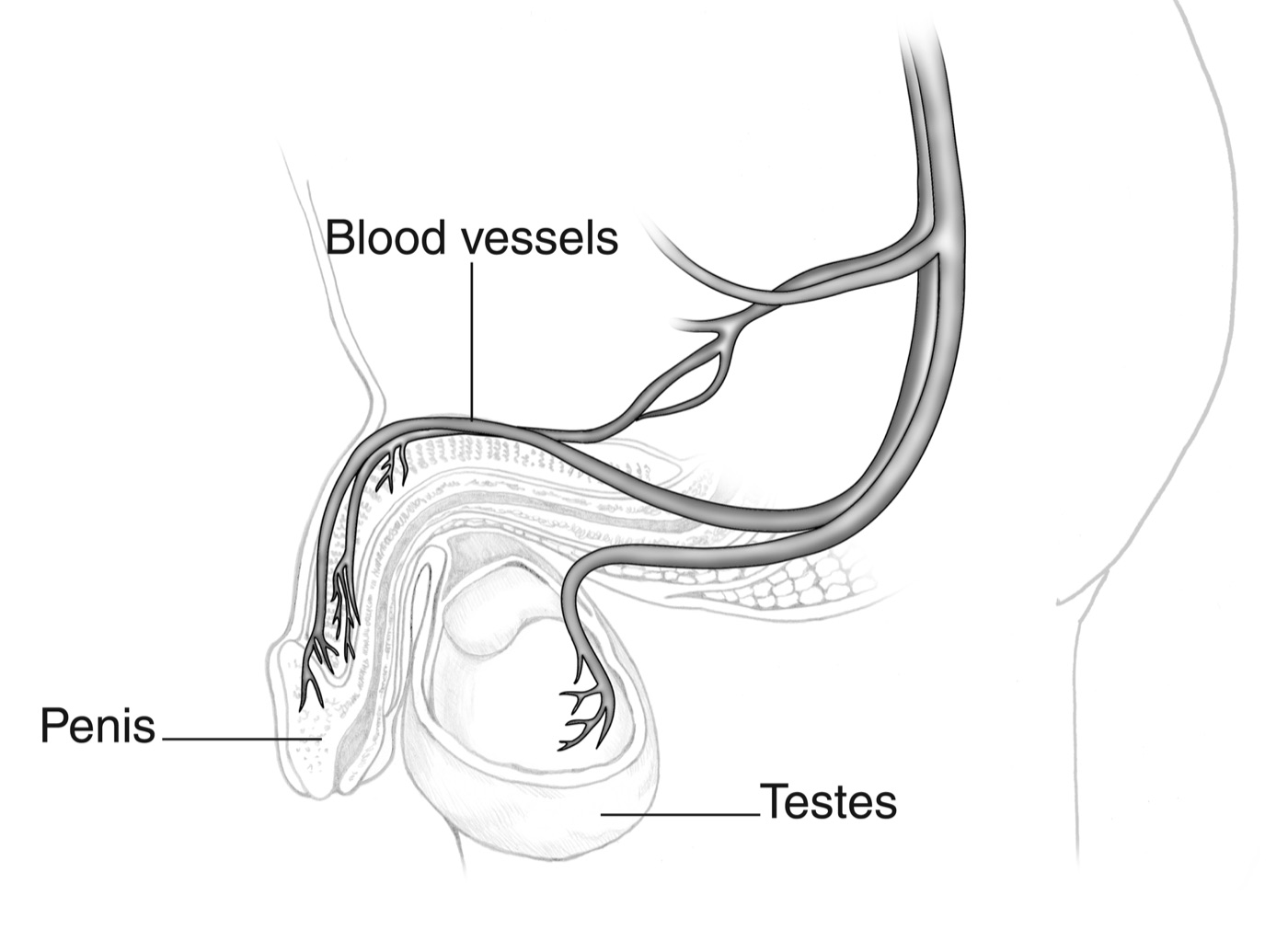
Erections need healthy blood vessels, nerves and hormones, and a calm mind. The small arteries of the penis can show trouble before the heart does. For this reason, ED can be an early warning sign of heart and blood vessel disease.
Common causes
- Poor blood flow, with diabetes, high blood pressure, high cholesterol, smoking or extra weight
- Nerve damage after prostate or pelvic surgery or radiation
- Nerve damage from diabetes, a spinal cord injury or multiple sclerosis
- Low testosterone
- Some blood pressure and depression medicines
- Stress, worry, depression or relationship strain
ED often has more than one cause.
What you may notice
- Trouble getting an erection
- Trouble keeping an erection firm enough for sex
- Erection problems that start with age, or after pelvic surgery, radiation or injury
How it is diagnosed
-
Questions and an exam
We ask about your health, medicines and sex life, and do an exam.
-
Blood tests
Tests for blood sugar, cholesterol and a morning testosterone level.
-
Heart-health check
New ED is a good reason to check your blood pressure. Treating heart risks helps your heart and may help erections.
Treatment choices
Healthy habits help at every stage. Many men start with pills, but you can choose any treatment that is safe for you.
-
Pills (PDE5 inhibitors)
Sildenafil, tadalafil and similar pills help an erection form when you are aroused.
- Best for
- Most men, as the usual first treatment
- Recovery
- Taken before sex, or as a low daily dose
-
Vacuum device
A tube and pump pull blood into the penis, and a soft ring holds it there.
- Best for
- Men who want an option without medicine
- Recovery
- No procedure; it takes some practice
-
Penile injections
A tiny needle puts medicine into the side of the penis for an erection in 5 to 15 minutes.
- Best for
- When pills do not work or are not safe, including after prostate surgery
- Recovery
- First dose given and tested in the office
-
Penile implant
A device placed fully inside the body gives a firm erection whenever you choose.
- Best for
- When other treatments have not worked, or you prefer an implant
- Recovery
- Many men go home the same day
What shapes the choice
- Your heart health and medicines
- How well pills have worked
- Whether you prefer no medicine
- Whether you want a permanent option
- Your hand strength
- What matters to you
We can go over each option in more detail at your visit.
Make an appointment
Call (215) 456-4600 to schedule, or request a visit online.
Request an appointment online