What it is
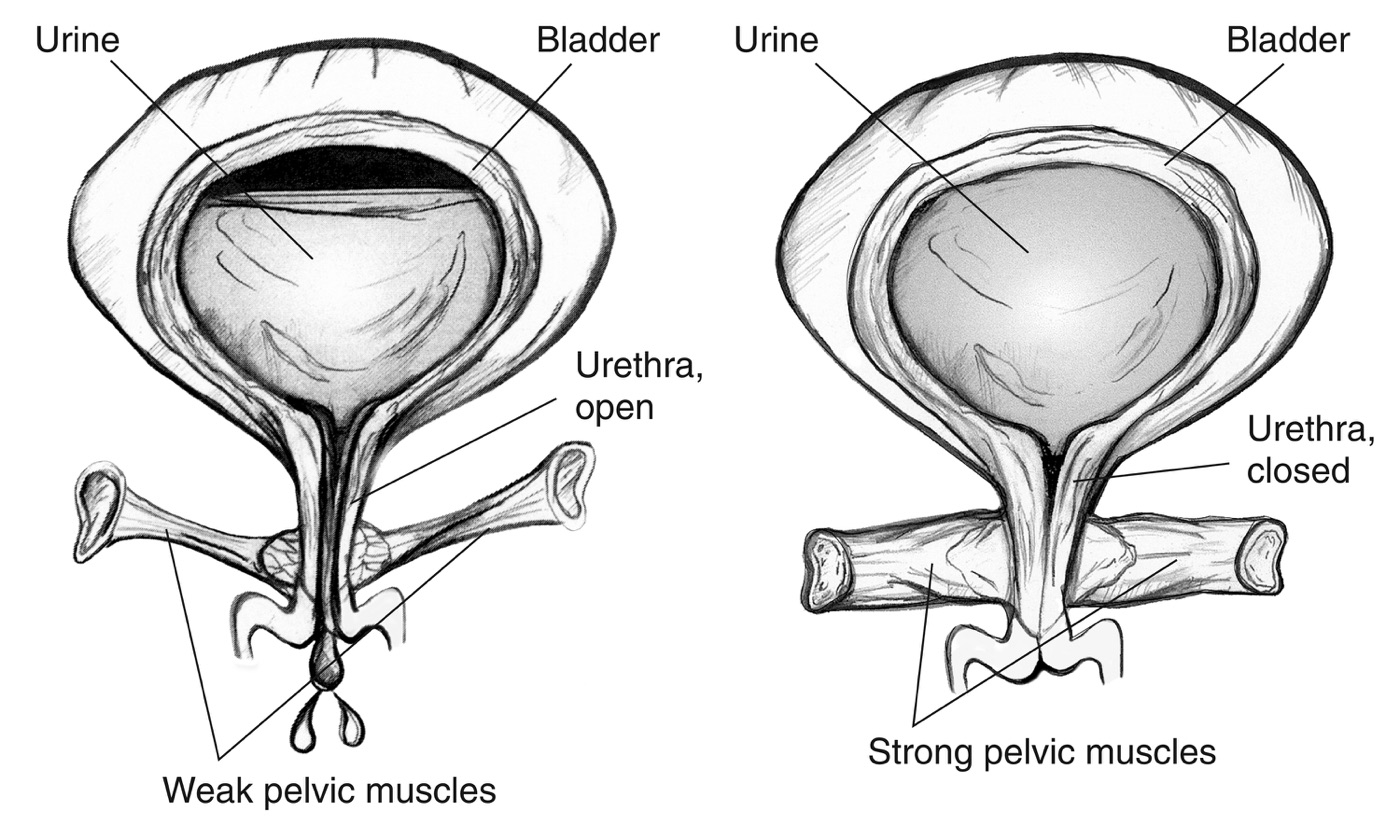
Pelvic floor exercises (often called Kegels) strengthen the muscles that hold urine in. These muscles support the bladder and urethra. Stronger muscles mean less leaking when you cough, lift or exercise. The exercises are safe and need no medicine or surgery.
Who it suits
Exercises are one of the first steps for stress leaking. They work best with a pelvic floor physical therapist and daily practice. If you have pelvic pain or a very tight pelvic floor, the goal may be to relax these muscles. Ask your team.
Finding the right muscles
These are the muscles you would use to stop the flow of urine or hold back gas. Squeeze and lift them. Keep your belly, buttocks and thighs loose, and keep breathing. Stopping your stream is only a way to find the muscles, so do not practice that way.
Written or spoken instructions alone are often not enough. Some women push down instead of squeezing, and pushing down can make leaks worse. To check your squeeze:
- Lie down and put one clean finger just inside the vagina.
- A correct squeeze feels like a gentle squeeze and lift around your finger.
- If you feel a push down or a bulge, stop and ask your team to check your squeeze during an exam.
A pelvic floor physical therapist can also teach you, sometimes with a screen that shows the muscle working (biofeedback).
A daily routine
- Squeeze the pelvic floor and hold. Start with what you can manage, and hold a little longer as you get stronger.
- Relax fully between squeezes. Relaxing matters as much as the squeeze.
- Do at least 8 squeezes, 3 times a day. Your therapist may change this for you.
- Give a quick, strong squeeze right before you cough, sneeze or lift.
How long it takes
Give the exercises at least 3 months. Like any exercise, the benefit fades if you stop. Tie them to daily cues, such as meals or red lights. You can do them anywhere, and no one can tell.
Other changes lower the pressure on the bladder:
- Losing weight if you are overweight
- Less caffeine if you also have urgency
- Treating constipation or a long-term cough