Conditions Urethral stricture
Urethral stricture in women
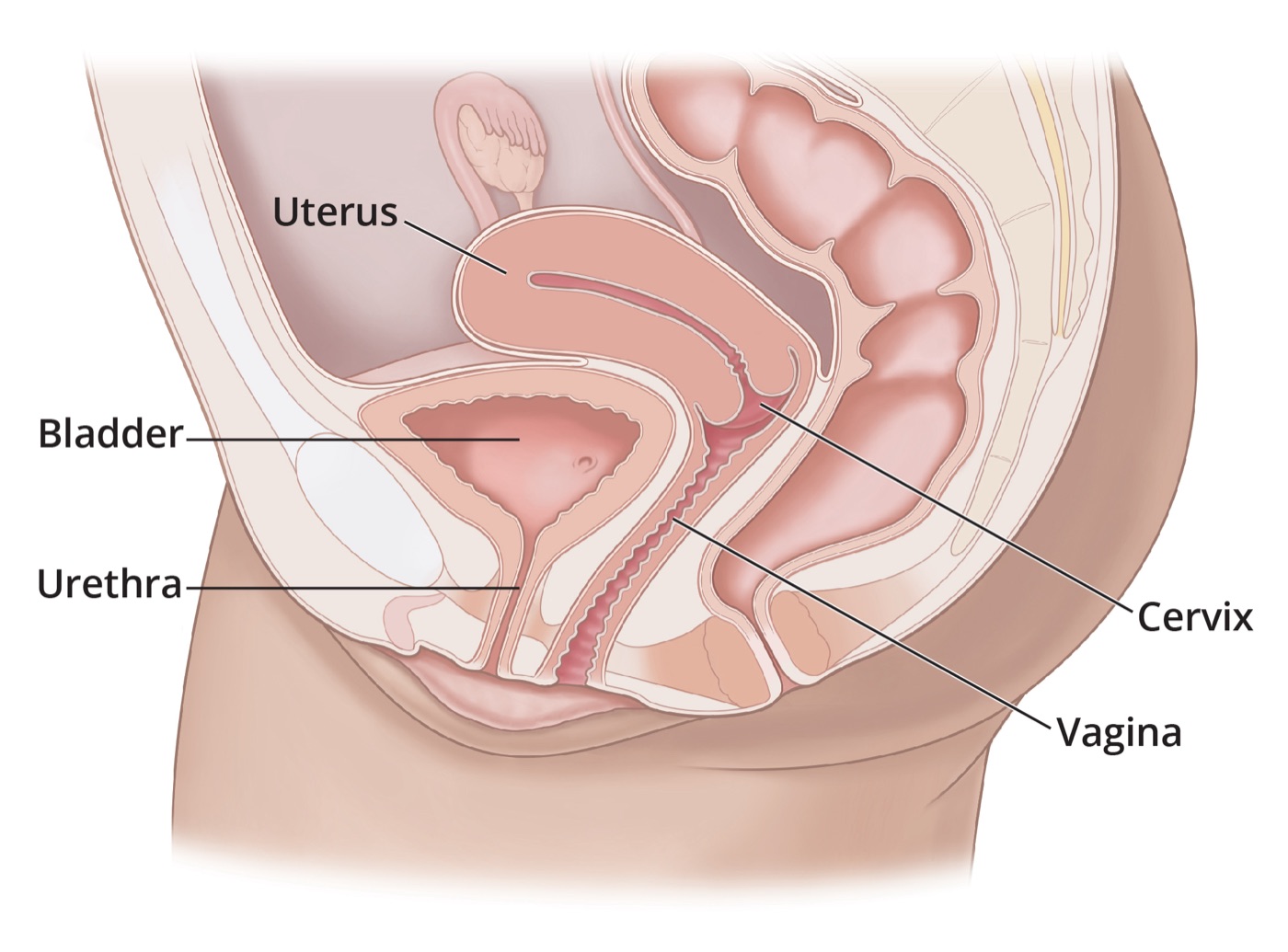
A urethral stricture is scar tissue that narrows the urethra, the short tube that carries urine out of the bladder. It slows the flow of urine.
- How common
- Uncommon, and often mistaken for other bladder problems
- Main sign
- A weak or slow stream, or straining
- Longest-lasting fix
- Urethroplasty, a repair done through the vagina
What it is
The symptoms look like other bladder problems and are often blamed on an overactive bladder, so a stricture can take years to find. It is worth looking for when the usual treatments do not help. Stretching often helps only for a while.
Common causes
- Past catheters, or stretching of the urethra
- Surgery on the urethra, for example for a diverticulum, a fistula or leaking
- A pelvic injury
- Radiation
- Thin tissue after menopause
- Lichen sclerosus, a skin condition
Often no cause is found.
What you may notice
- A weak or slow stream, straining, or a feeling that you have not emptied
- Going often or urgently, and getting up at night to urinate
- Bladder infections that keep coming back
How it is diagnosed
-
Exam and simple tests
An exam of the urine opening and vaginal tissue, a flow test, a bladder scan and a urine test.
-
Measuring the width and a camera look
Small smooth tubes measure the width (calibration), and a thin camera looks at the narrow part (cystoscopy).
-
X-ray while you urinate
Video urodynamics shows where the narrowing is and how long it is.
What video urodynamics involves
Treatment choices
Stretching is often tried first, and urethroplasty gives the longest-lasting result.
-
Dilation (stretching)
The narrow part is gently stretched with smooth rods or a balloon.
- Best for
- A first narrowing, as a quick first step
- Recovery
- Done in the office or while you are asleep
-
Urethroplasty
Surgery through the vagina opens the narrow part and widens it with a cheek graft or a skin flap.
- Best for
- A narrowing that came back, or anyone who wants the most lasting fix
- Recovery
- Catheter for about 2 to 3 weeks
What shapes the choice
- How long the scar is
- How tight it is
- How many treatments you have had
- Earlier surgery, such as a sling
- Your health
- What matters to you
We can go over each option in more detail at your visit.
Make an appointment
Call (215) 456-4600 to schedule, or request a visit online.
Request an appointment online