What it is
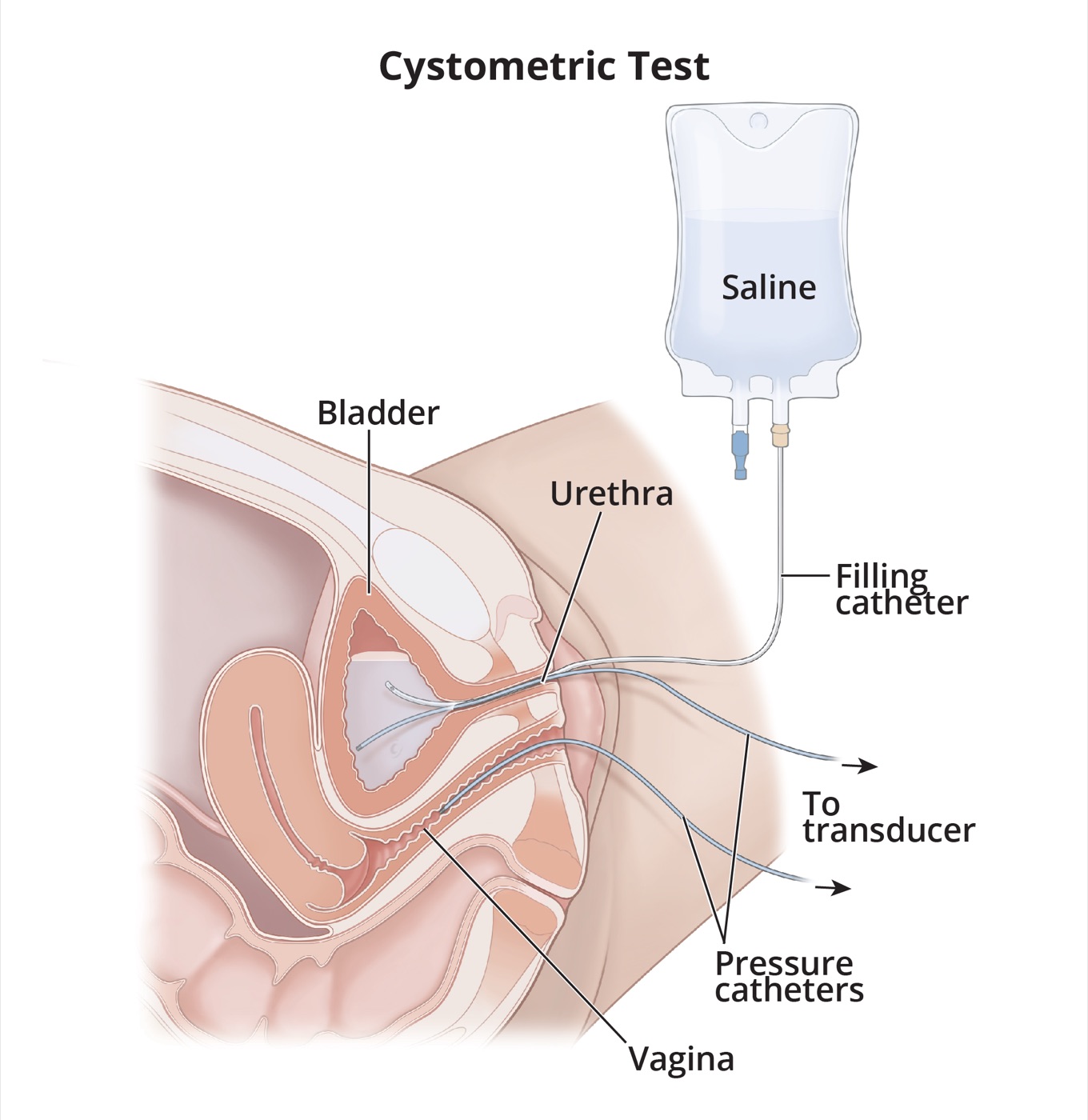
Urodynamics is a group of tests that measure how your bladder fills and empties. Thin, soft tubes (catheters) measure pressure while the bladder is slowly filled and then emptied. In video urodynamics, X-ray pictures are taken at the same time.
Why it is done
For a stricture, the X-ray pictures taken while you urinate show where the narrowing is and how long it is. With the camera look (cystoscopy), the test helps tell a scar apart from a bladder or muscle problem.
How it is done
- You urinate into a special toilet that measures your stream, and the team checks how much is left behind.
- Thin catheters are gently placed: one in the bladder through the urethra and a very small one in the rectum or vagina.
- The bladder is slowly filled. You say when you first feel it and when you feel a strong urge.
- You urinate while the pressures are recorded and X-ray pictures are taken. Then the catheters come out.
Most people feel pressure and some embarrassment rather than real pain. The test often takes about 30 to 60 minutes, and you can go straight home.
Getting ready
- You may be asked to arrive with a comfortably full bladder.
- Take your usual medicines, but ask whether to stop any bladder medicines first.
- No sedation is needed, so you can usually drive yourself home.
- Tell your team ahead of time about signs of a urine infection, a blood thinner, or any allergies, including latex.
Is it safe?
It is a low-risk test, and there is no surgery. The main risks come from the catheters: brief burning, a small chance of a urine infection and, rarely, trouble urinating afterward.