Conditions Fistula
Vaginal fistula
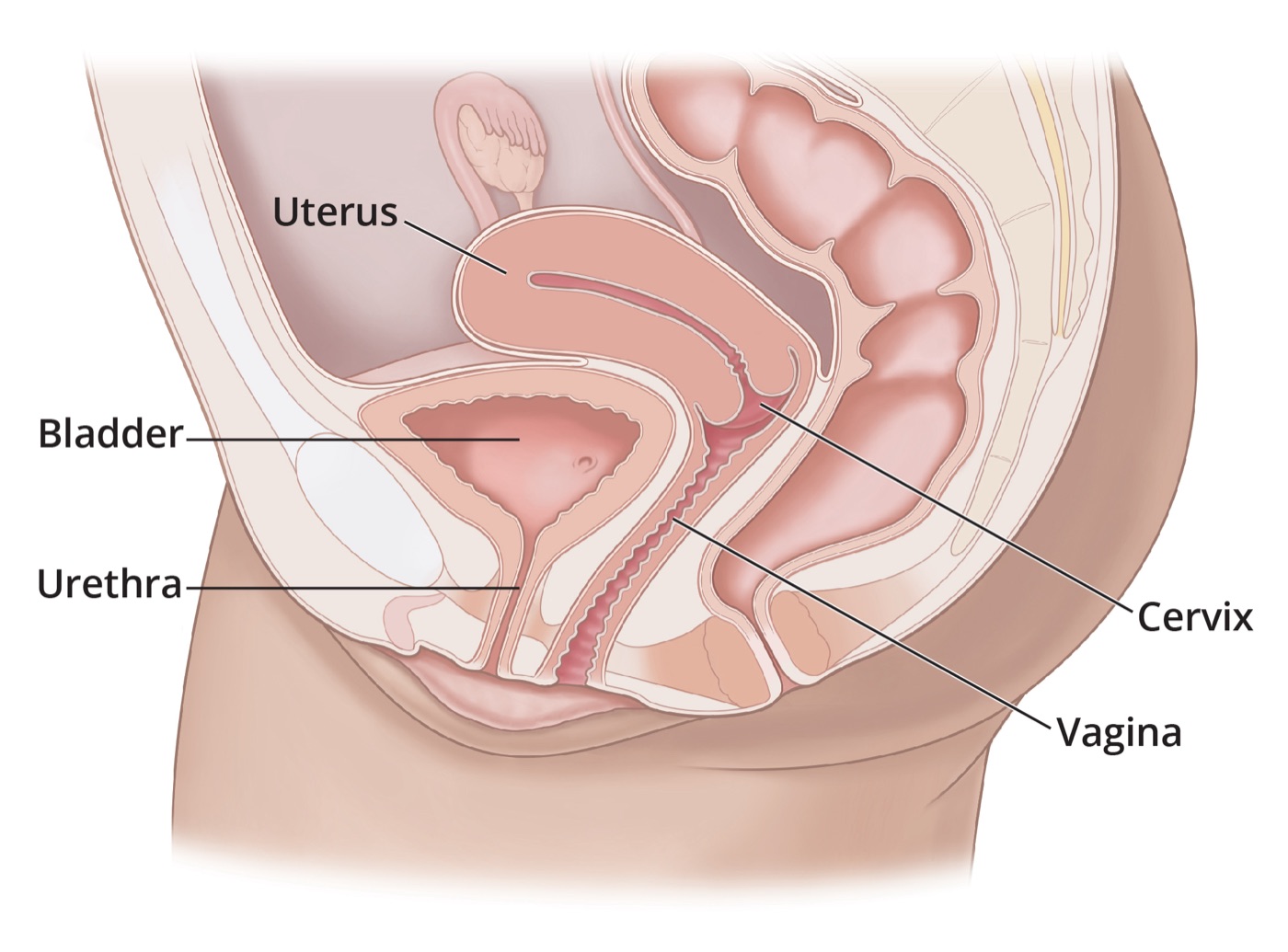
A vaginal fistula is a small tunnel between the vagina and the bladder, urethra or ureter. Urine passes through it into the vagina, so it leaks all the time.
- Main sign
- Urine leaking from the vagina, day and night
- Most common cause in the US
- Pelvic surgery, such as a hysterectomy
- Simple fistulas closed by repair
- About 9 in 10
What it is
The most common type joins the bladder and the vagina (a vesicovaginal fistula). Others join the vagina to the urethra, or to a ureter, the tube that carries urine from the kidney to the bladder. Most fistulas can be repaired.
Common causes
- Pelvic surgery, such as a hysterectomy
- Childbirth, especially a long, blocked labor or a bad tear
- Radiation
- Infection
- Less often, cancer
A fistula is not caused by anything you did.
What you may notice
- Urine leaking from the vagina all the time, day and night
- Leaking that starts after a hard delivery, or 1 to 3 weeks after pelvic surgery
- Sore skin, bladder infections or yeast infections
How it is diagnosed
-
Exam with a dye test
Colored fluid is put in the bladder to find the leak.
-
Camera look and scans
A cystoscopy and scans map the fistula and check the ureters.
What a cystoscopy involves -
Checks for a cause
Tests look for a cause, such as radiation or infection.
Treatment choices
A catheter or a stent can let some small leaks heal, and most fistulas are closed with surgery.
-
Catheter trial
A catheter drains the bladder for a few weeks so a small fistula can close.
- Best for
- A small, new fistula between the bladder and vagina
- Recovery
- Catheter left in for a few weeks
-
Ureteral stent
A soft tube inside the ureter holds it open while the leak heals.
- Best for
- A leak from a ureter, placed as early as possible
- Recovery
- Stays in for weeks, then comes out in a short office visit
-
Fistula repair
Surgery closes the tunnel in layers through the vagina or the belly, sometimes with a tissue flap.
- Best for
- Most fistulas, including those after radiation or an earlier repair
- Recovery
- Catheter for about 1 to 3 weeks
What shapes the choice
- Where the fistula is
- How big it is
- What caused it
- Any earlier repairs
- Your health
We can go over each option in more detail at your visit.
Make an appointment
Call (215) 456-4600 to schedule, or request a visit online.
Request an appointment online