What it is
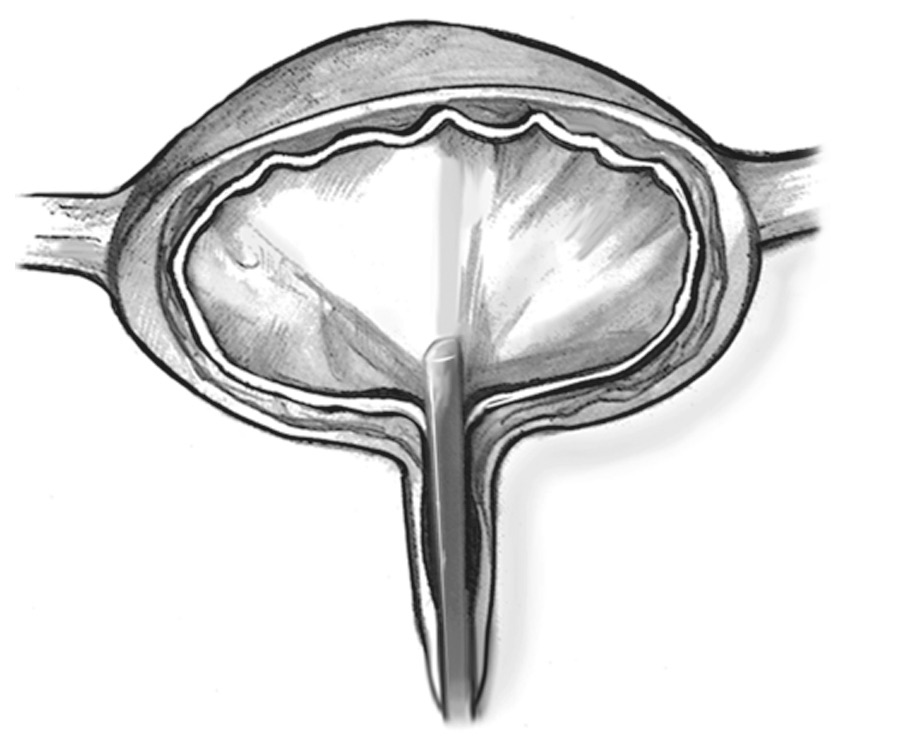
A cystoscope is a thin scope with a tiny camera and light. It is passed gently through the opening where urine comes out. Sterile fluid is run in to open the bladder, so the walls can be seen clearly.
There are two kinds:
- A flexible (bendable) scope is usually used in the office while you are awake, with numbing gel.
- A rigid (straight) scope is often used in the operating room while you are asleep, so a problem can also be treated.
Why it is done
- To find and map a fistula before a repair
- To check how a repair is healing
- To place, check or remove a stent or stitch
- To take a small tissue sample (biopsy)
How it is done
- You lie back, the area is cleaned, and numbing gel is placed.
- The scope is passed gently through the urethra into the bladder.
- Sterile fluid runs in, and the lining is checked all the way around.
- If a treatment, biopsy or stent change is planned, it is done. Then the scope is removed.
With a flexible scope you may feel brief pressure or stinging as it passes. An office test is usually over in a few minutes. If you are asleep for the test, you feel nothing during it.
Getting ready
For an office test, you can usually eat, drink, take your usual medicines and drive yourself home. For a test under anesthesia, follow your surgery instructions and arrange a ride home. Tell your team ahead of time if you take a blood thinner, have signs of a urine infection, or have allergies.
Is it safe?
Cystoscopy is one of the most common urology tests, and the risk is low. Short-lived burning, a little bleeding, trouble urinating or a urine infection are uncommon and usually mild. Pyridium may be offered afterward for burning, if it is right for you.