Conditions Urethra
Urethral diverticulum
A urethral diverticulum is a small pocket that forms off the urethra, the tube that carries urine out of the body. Urine collects in the pocket and can cause infections, dribbling, pain or a lump.
- Most common in
- Women
- Common clues
- Repeat infections and a tender lump in the vagina
- Free of symptoms after surgery
- 7 in 10
What it is
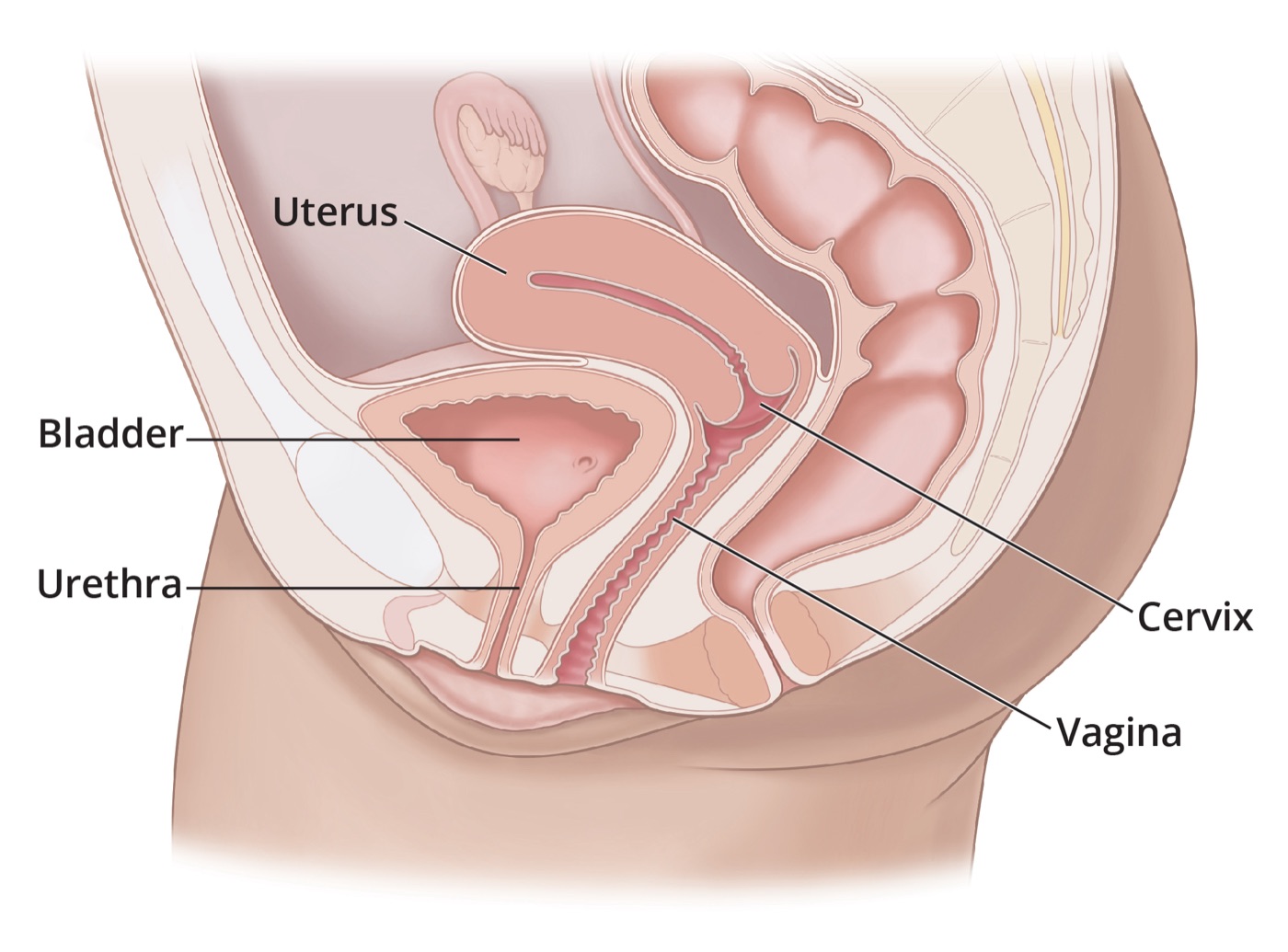
The pocket sits along the urethra, under the front wall of the vagina. Its symptoms look like other bladder problems, so it is often missed for years. It is almost always benign (not cancer).
Common causes
- Small glands next to the urethra that get blocked and infected
- An infected gland that bursts into the urethra and leaves a pocket
- Past surgery near the urethra
- An injury near the urethra
It is not caused by anything you did.
What you may notice
- Urine infections that keep coming back
- Dribbling just after you finish urinating, or other leaking
- A tender lump in the front wall of the vagina, or pain with sex
How it is diagnosed
-
Exam and a camera look
A pelvic exam feels for a tender lump. Sometimes a cystoscopy looks for the pocket's opening from inside.
What a cystoscopy involves -
MRI
Shows the pocket's size and shape. It is the best test before surgery.
What an MRI involves -
Urine test and bladder testing
A urine test checks for infection. Urodynamics can show the cause of leaking before surgery.
What urodynamics involves
Treatment choices
A small pocket with few symptoms can be watched, and surgery to remove the pocket is the main treatment.
-
Watching
The pocket is checked over time, and infections are treated when they happen.
- Best for
- A small pocket with few or no symptoms
- Recovery
- No surgery
-
Diverticulectomy
Surgery through the vagina removes the whole pocket and closes the urethra in layers.
- Best for
- Infections, pain, leaking or a bothersome lump
- Recovery
- Catheter for about 2 to 3 weeks
-
Fascial sling
A strip of your own tissue, usually from the thigh, supports the urethra with no mesh.
- Best for
- Stress leaking, at the time of surgery or once healed
- Recovery
- A catheter drains the bladder for a short time
-
Pelvic floor exercises
Daily squeezes strengthen the muscles that hold urine in.
- Best for
- New stress leaking after surgery
- Recovery
- At least 3 months of daily exercises
What shapes the choice
- How much it bothers you
- The size and shape of the pocket
- Whether it has come back
- Leaking before surgery
- Any stones, blood or a solid area
- What matters to you
We can go over each option in more detail at your visit.
Make an appointment
Call (215) 456-4600 to schedule, or request a visit online.
Request an appointment online